Tag: new-music

  • Best albums of 2025 so far

    Best albums of 2025 so far

    Carl Allen, Tippin’ (Cellar Live/La Reserve)

    What does it mean to be “tippin’”? In simple terms, it’s when a band locks into the groove so naturally that everything just falls into place, without forcing the issue or trying too hard. It’s that sweet spot where the rhythm section is locked, the soloists are flowing, and the energy in the room is just right. And if anyone embodies that feeling, it’s Carl Allen. A seasoned drummer whose history includes stints with the likes of Freddie Hubbard and the Christian McBride Big Band, Allen’s Tippin’ delivers this essence with every beat.

    This album marks Allen’s return to the spotlight as a bandleader after a two-decade hiatus, and it’s well worth the wait. The trio format here is stark—no piano or guitar—just bass, drums, and the always fiery Chris Potter on tenor and soprano saxophones and bass clarinet. The setting, bare-bones as it is, recalls the heyday of Sonny Rollins’ iconic trio recordings, with a slight nod to the more contemporary flavor of Potter’s work in Jonathan Blake’s Trion and the ECM sessions of Steve Swallow’s Damaged in Transit. For those who dig that sound, Joel Frahm’s recent The Bright Side and Lumination should be next on your playlist.

    The music on Tippin’ is all about urgency and freedom, captured in a spontaneous, live-in-the-studio vibe. According to Allen, the trio didn’t rehearse much—everything was laid down in a single five-hour session, and it shows. The tunes themselves are drawn from the modern jazz canon, but with a fresh approach that breathes new life into them. Among the highlights are Freddie Hubbard’s “Happy Times,” a tune that moves at breakneck speed, and Lenny White’s “L’s Bop,” which Hubbard also recorded. There’s also James Williams’ haunting “Alter Ego,” a tribute to the late pianist, and Kenny Barron’s “Song for Abdullah,” a beautiful moment where McBride bows while Barron himself guests on piano. The trio even takes on Pat Metheny’s “James,” a piece that’s as lush as it is cerebral, and the classic “Parker’s Mood,” where Allen guides the group through the original “grown-up” tempo—a masterclass in groove and restraint.

    But this isn’t just about the song selection—it’s about the collective chemistry. Allen, McBride, and Potter create an atmosphere that’s palpable throughout the recording, one where the musicians trust each other to navigate both the written material and the unspoken spaces in between. No one is showing off here, no one is pushing for a moment in the spotlight. Instead, it’s the sound of seasoned musicians who have found their collective groove and are content to live in that zone, tippin’ to the rhythm of the moment.

    Tippin’ is a deep, breathing record that allows the pulse of jazz to unfold naturally—both timeless and immediate. A triumph of subtlety, mastery, and swing, it reminds us of what makes live jazz so thrilling. This is a trio that knows how to get in the pocket, and when they do, they truly tip.

    Benjamin Lackner – Spindrift (ECM)

    Benjamin Lackner’s Spindrift is an album that feels like it’s been sculpted in the quiet spaces between notes, a masterclass in understated sophistication and restrained lyricism. The album features a remarkable cast of players: Lackner on piano, Mathias Eick on trumpet, Mark Turner on tenor saxophone, Linda May Han Oh on bass, and Matthieu Chazarenc on drums. Recorded in March 2024, it’s a record that emphasizes nuance and interplay, making every moment feel essential.

    Lackner’s compositional approach offers an elegant setting for the band to explore and stretch, each member given the space to shape their own narrative within the broader ensemble context. And speaking of Turner, though American, his approach has long distanced itself from the post-Coltrane or Brecker schools, favoring a direction more akin to Warne Marsh’s cool, cerebral lines. His tone here is characteristically calm yet full of intent, always aware of the larger picture but unafraid to inject subtle flashes of tension when necessary. This is where Lackner’s vision is most pronounced—by framing Turner’s often airy, introspective voice within rich harmonic landscapes, he allows the saxophonist’s voice to float freely, free from the constraints of aggressive post-bop expectations.

    Mathias Eick, for his part, brings a similarly reflective and lyrical touch to the ensemble, albeit with a more expansive color palette. While known for his more forceful work with Jaga Jazzist and Motorpsycho, Eick’s trumpet playing on Spindrift aligns closely with the kind of airiness and introspection we often associate with Kenny Wheeler. His lines glide with the grace of a bird in flight, while still carrying a certain depth—evoking emotion without sentimentality. The tension between Eick’s airiness and Turner’s restraint creates an almost conversation-like dynamic, one that allows the interplay to shimmer throughout the record.

    At the heart of this collective, however, is Linda May Han Oh’s bass. It’s hard to overstate the impact of her presence—her vibrant, energetic touch provides the album with both rhythmic foundation and melodic richness. Whether she’s providing the pulse or weaving between the lines of the horn players, her contributions are integral, adding a sense of dynamism that is often subtle yet deeply felt. Han Oh’s ability to provide both a steady anchor and a source of energy is a defining characteristic of the album’s tone.

    Drummer Matthieu Chazarenc is a steady force behind the kit, never intrusive but always precise, grounding the ensemble with a sense of restraint. The drums support but never overwhelm, creating a subtle but essential framework for the music to breathe. His sense of time feels elastic, allowing the melodies to float just above the rhythm in a way that enhances, rather than stifles, the group’s collective expression.

    What’s most striking about Spindrift is how Lackner has crafted an ensemble with such palpable chemistry, allowing each voice to shine individually while maintaining the integrity of the collective sound. The music is dense but never crowded, allowing each player to explore their space without feeling hurried or rushed. Each tune is a carefully constructed conversation, where every phrase feels like a reflection of the one before it, and the one yet to come.

    In all, Spindrift suggests that Benjamin Lackner has created an ensemble of great potential—an aggregation of exceptional voices and talents, all drawn together by a shared vision of musical expression that’s both intimate and expansive. It’s the kind of album that grows with every listen, its nuances revealing themselves slowly, like the ebb and flow of the sea the title evokes. The possibilities for this group seem boundless, and it’s exciting to think where Lackner might take them next.

    Dave Holland & Lionel Loueke – United Vol 1 (Edition)

    The pairing of bassist Dave Holland and guitarist Lionel Loueke is an inspired one. With United Vol 1, their first collaborative release, the duo presents an album that balances deep musicality with a sense of spontaneous exploration. From the opening note, it’s clear that this is a partnership that thrives on contrast and complementarity, with Holland’s grounding, powerful basslines setting a rich foundation for Loueke’s intricate guitar work and ethereal vocals. The album, though not revealing its recording date, feels fresh, vibrant, and alive with possibility.

    The standout track Tranxit effortlessly captures the duo’s chemistry. The Afro-funk and Latin influences are palpable as Holland’s bass unspools a fast, weaving improvisational passage, while Loueke’s rhythm guitar dances with rapid, almost breathless strumming. The syncopation and rhythmic drive never lets up, as if both players are in a race to the finish line, their energy constantly shifting but never losing its pulse. The result is an infectious, high-octane groove that draws the listener in, full of momentum and playfulness.

    On Celebration, Loueke moves into familiar terrain, his guitar lines recalling the jagged yet joyful phrasing of John Scofield. In this piece, the tension between Loueke’s sharp, jazzy guitar fragments and Holland’s resonant, deeper bass figures creates an engaging push-pull dynamic. There’s a sense of joyous struggle between the two players, as Loueke’s bright, angular melodies spar with Holland’s deep, undulating tones, only to find their way into a mutually satisfying groove by the track’s conclusion. It’s the type of musical conversation that highlights both artists’ immense skill in both solo and ensemble settings.

    Life Goes On takes an unexpected turn, with echoes of Bill Frisell’s country-tinged compositions filling the space. Loueke’s guitar tones take on a more twangy, earthy quality, while Holland’s bassline adopts a steady, understated rhythm, providing a perfect contrast to the more expansive and open-ended phrasing of the guitar. The piece exudes a warmth and reflection, offering a kind of serenity before the more complex interactions of the rest of the album.

    Perhaps the most striking track is Humanism, where Loueke’s vocals—sung in French—add another dimension to the duo’s sound. The combination of Loueke’s edgy guitar figures, his exultant vocalizations, and Holland’s graceful basslines forms a vivid, emotionally charged landscape. It’s a blend of joy and complexity, the exultant mood tempered by the song’s intricacies, revealing the delicate balance between humanity and abstraction. The song’s shifting textures and rhythmic ideas provide a vivid sketch of the intentions of the set, aptly titled United. It’s a celebration of collaboration, where the individual voices of both musicians emerge, collide, and ultimately coalesce into something transcendent.

    What makes United Vol 1 particularly engaging is the way these two masters of their craft draw upon a wide range of influences—from Afro-funk to contemporary jazz to more introspective, folk-inspired moments. Holland’s bass is ever the anchor, sturdy and expansive, while Loueke’s guitar and voice provide an agile, flowing counterpoint. The music is full of light and dark, its moods shifting fluidly between exuberance and introspection. Each track offers a glimpse into the artists’ broad musical vocabularies, while the overarching theme of unity—both in sound and spirit—remains steadfast throughout.

    In the end, United Vol 1 is more than just a collaboration; it’s a harmonious meeting of two musical minds that’s full of rich textures and complex emotions. Holland and Loueke have created something deeply musical, yet always accessible—a dialogue that feels both intimate and universal. With the promise of a second volume on the horizon, it’s clear that this partnership has a great deal of untapped potential, and it will be exciting to hear where these two take it next.
  • Top 10 Albums of 2024

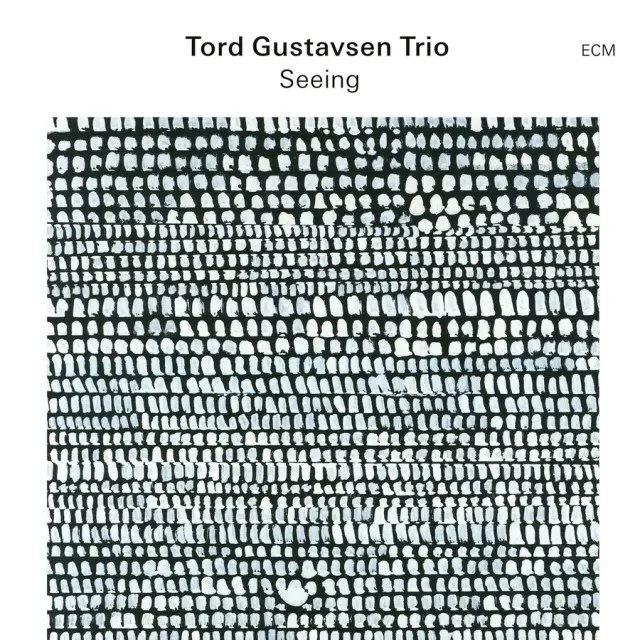
    10:  Tord Gustavsen Trio – Seeing

    Seeing is a serene and soul-stirring album by pianist Tord Gustavsen, marking his tenth release for ECM. Joined by longtime collaborator drummer Jarle Vespestad and bassist Steinar Raknes, the trio creates an atmosphere of deep stillness and introspection. The album opens with the blue gospel-inspired “Jesus, Make Me Still,” setting the tone for its meditative qualities. Tracks like “Seattle Song” encapsulate the journey of life, blending folk, gospel, and classical elements with a profound sense of peace. Gustavsen’s arrangements of traditional hymns, such as “The Old Church” and “Nearer My God, To Thee,” alongside his original compositions, convey a soulful, grounded simplicity. The trio avoids flashy solos or virtuosic display, instead focusing on creating emotional depth through restraint. The album’s blend of Norwegian and American folk influences, along with Bach’s introspective works, forms a timeless, unified whole. At just forty-four minutes, Seeing is an album that invites listeners into a quiet, reflective space, making it one of Gustavsen’s most compelling and transcendent works to date. In this challenging time, the album’s calm presence offers a welcome retreat, with its understated beauty and emotional resonance leaving a lasting impression.

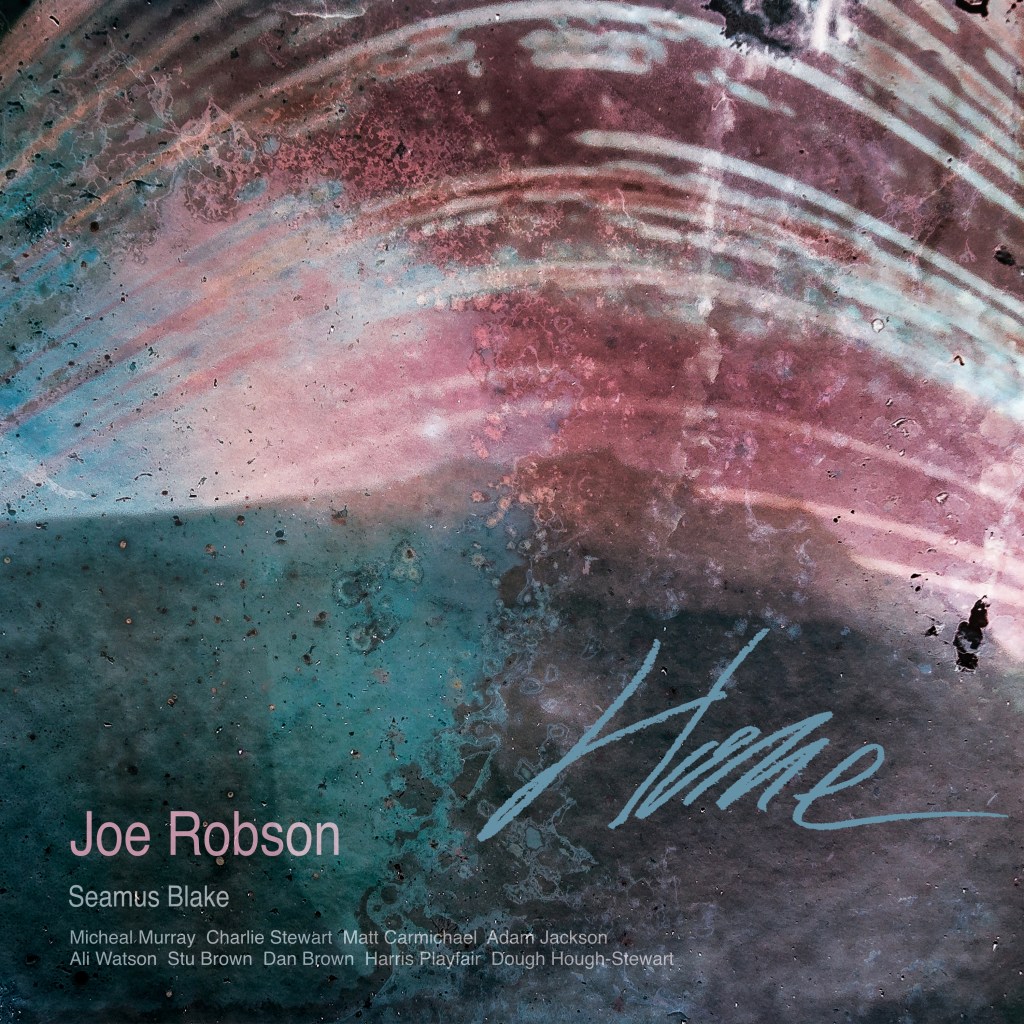
    9: Joe Robson – Home

    Joe Robson’s debut album Home is a stunning release that introduces the Scottish guitarist as a distinctive voice in contemporary jazz. Blending jazz, Celtic traditions, and Nordic post-rock influences, Robson delivers a deeply personal and evocative meditation on themes of belonging and memory. The album features contributions from saxophonist Seamus Blake, whose soulful solos, particularly on “Emergence,” bring emotional depth to the record, though the core band’s chemistry and sound remain the album’s standout.

    Robson’s compositions are marked by their clarity, emotional resonance, and seamless transitions between structured arrangements and free improvisation. The album never overstays its welcome, with concise solos and organic, spontaneous exchanges between musicians. Highlights include Robson’s breathtaking guitar work on “Becoming,” which recalls the fluidity of Pat Metheny and Brad Mehldau, and Matt Carmichael’s commanding, Celtic-tinged saxophone solos on tracks like “Searching for Home.”

    The band, which also includes saxophonist Adam Jackson and fiddler Charlie Stewart, crafts a distinctive timbral blend, often weaving intricate melodies and harmonies with earthy, organic sounds. Tracks like “Venchen” and “Searching for Home” take unexpected turns, adding an element of surprise that keeps the listener engaged.

    Home firmly establishes Robson as a rising star in contemporary jazz, a record that honours his roots while pushing musical boundaries. It is a profound, poetic work that lingers long after it ends, making it a standout of the year.

    8: Mary Halvorson – Cloudward  

    Mary Halvorson’s Cloudward is a stunning album that showcases her mastery in blending composed music with improvisation. The New York-based guitarist, known for her adventurous work in both solo and collaborative settings, delivers a powerful eight-piece set, reflecting a sense of liberation as the pandemic’s grip waned. Halvorson’s sextet features trumpet, trombone, vibraphone, bass, drums, and Laurie Anderson on effects-violin for one track, creating a rich, multilayered sound.

    The album is filled with delightful surprises, from the slowly building brass and vibes fanfare of “The Gate” to the intricate brass harmonies of “Collapsing Mouth” and “Unscrolling,” where the interplay between trumpet and trombone is masterful. Halvorson’s guitar work stands out, whether in the distorted, avant-garde funk of “Desiderata” or the ambient violin textures crafted by Anderson on “Incarnadine.” Tracks like “Tailhead” introduce Latin jazz-like rhythms, further highlighting the sextet’s diverse influences. The album’s seamless fusion of written and improvised elements creates an entrancing, seductive warmth that marks a new peak in Halvorson’s already remarkable career. Cloudward is a mesmerizing testament to her vision, showcasing a rare ability to balance structure with spontaneity in jazz.

    7: Kit Downes – Reflex; Dr. Snap

    Reflex; Dr. Snap is a dynamic live album by Kit Downes, recorded at the Bimhuis in Amsterdam on November 3, 2022, as part of the “Reflex” series. This ambitious project features Downes leading a ten-piece international ensemble, including three drummers, creating a vibrant, experimental soundscape that blends jazz with avant-garde and rock influences. The group, which Downes calls his “family band,” includes familiar collaborators like bassist Petter Eldh and guitarist Reinier Baas, and is complemented by live visuals from Juliane Schutz, adding a sensory depth to the performance.

    The album begins with Eldh’s intricate composition “Children with Pitchforks,” where the three drummers create rhythmic complexity, accompanied by quirky horn arrangements. Other tracks like “Full Dress” and “Mirror” showcase inventive horn and rhythm sections, with Downes’ piano at the center, and feature exceptional solos from members such as guitarist Baas and saxophonist van Gelder. As the suite progresses, the music shifts from structured compositions to freer, more improvisational moments, including the evocative “Pantheon 4” and the intense “Dimitrios In 64.”

    A blend of energy, texture, and dynamic contrasts, Dr. Snap is a thrilling, expansive work that keeps evolving throughout its length. The album’s vibrant and complex music highlights Downes’ distinctive compositional voice and the ensemble’s remarkable interplay. With its multifaceted textures and rhythms, this release is a bold statement in contemporary jazz and avant-garde music.

    6: Jake Blount and Mali Obomsawin – Symbiont

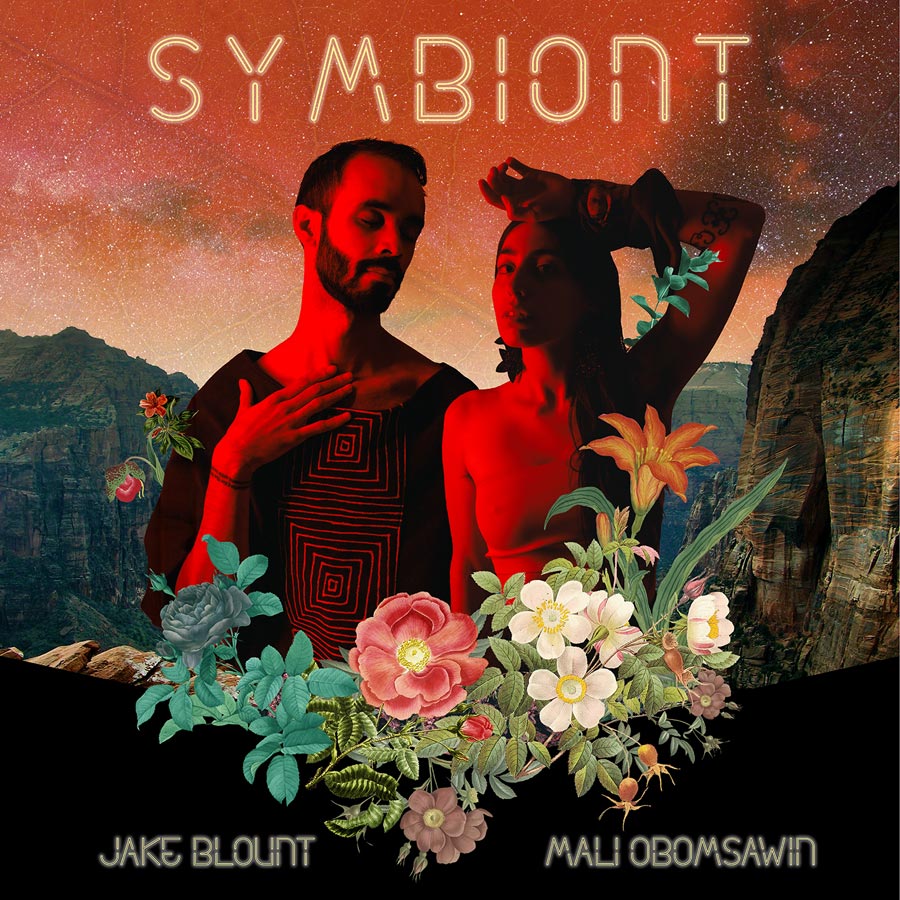
    Symbiont, the collaborative album by Jake Blount and Mali Obomsawin, is a powerful exploration of Black and Indigenous music, blending historical references with modern electronic production. The album, which bridges the personal and the political, combines synthesizers, percussion, and vocals to craft a vision of resistance, community, and continuity. Blount and Obomsawin co-created the album by drawing from archival texts, including Slave Songs of the United States and works by Indigenous author Thomas Commuck. The music spans genres and traditions, blending hymns, spoken word, and innovative electroacoustic sounds. It questions the silences of official archives and reclaims marginalized voices erased by colonial violence.

    Songs like “Mother” and “Stars Begin to Fall” blend traditional hymns with glitchy synths, interrupted feedback, and reimagined structures, creating an ongoing dialogue between past and future. The album reflects a nuanced take on the history of colonization, acknowledging both its pain and the strength of communities that have persevered. The involvement of musicians like jazz performer Taylor Ho Bynum adds further depth to the work, blending the sounds of percussion and gourd banjo with vibrant harmonies.

    Symbiont is not just an album, but a radical act of preservation and transformation, using the past as a tool for collective action and a hopeful vision for the future. It’s an essential, genre-defying work that speaks to the political and spiritual dimensions of music-making.

    5: Colin Stetson – The Love It Took to Leave You 

    The Love It Took to Leave You by Canadian saxophonist Colin Stetson is a bold, experimental album that delves deep into his unique minimalist style. Known for his continuous breathing techniques and innovative microphone placements, Stetson creates intricate, hypnotic compositions that blend the sounds of his saxophone with the mechanics of the instrument itself. The album is largely a solo project, with Stetson crafting expansive, atmospheric pieces that range from intense, rhythmic sequences to ethereal, mournful tones, capturing the essence of separation and loss.

    Opening with the track “The Love It Took to Leave You,” Stetson sets the tone with repetitive arpeggios and slow, soaring melodies. The album reaches a high point with the 21-minute “Strike Your Forge and Grin,” a stunning sonic journey that combines drone metal elements with complex rhythmic patterns and howling lead melodies. This track is considered by many as his greatest achievement in terms of pacing, structure, and sound.

    Known for his work on film scores like Hereditary and The Menu, Stetson has also built a distinguished solo career, pushing the boundaries of what a single instrument can achieve. This album furthers his reputation as one of the most exciting talents in contemporary music today.

    4: Miguel Zenón – Golden City

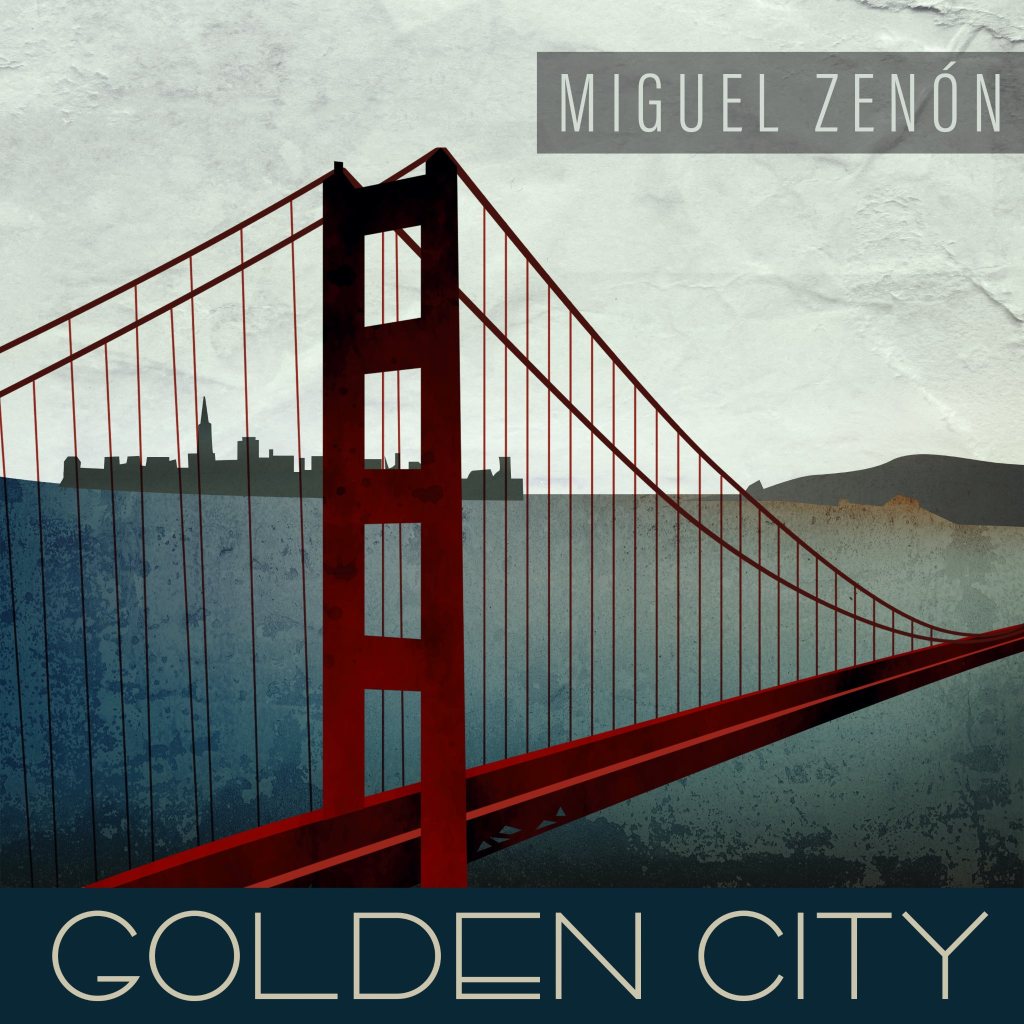
    Golden City is a powerful suite by Miguel Zenón that explores the history of San Francisco, focusing on the experiences and contributions of its diverse ethnic communities, including Japanese, Chinese, Mexican, and African-American. Premiered in 2022 at the SFJAZZ Center, the work is now available in its recorded form with nearly the same trombone-centric nonet ensemble. Collaborating with pianist Matt Mitchell, bassist Chris Tordini, and drummer Dan Weiss, Zenón’s music highlights the resilience and beauty of the city’s soul amidst its often painful history.

    Tracks like “Sacred Land” mourn the Ohlone people’s tragic history, while “Rush” evokes the chaos of the Gold Rush era. “Acts of Exclusion” powerfully addresses the Chinese Exclusion Act, with Zenón’s saxophone leading a blend of anguish and defiance, highlighted by Miles Okazaki’s brilliant guitar solo. The album also includes the graceful “Sanctuary City,” inspired by Wayne Shorter’s “Sanctuary.” The nonet’s stellar horn section—featuring Alan Ferber, Diego Urcola, and Jacob Garchik—adds depth to Zenón’s intricate compositions, reflecting his early Latin influences. Golden City is a stunning exploration of San Francisco’s cultural and historical tapestry, blending jazz, Latin, and contemporary sounds into a poignant, evocative narrative.

    3: Out Of/Into – Motion I 

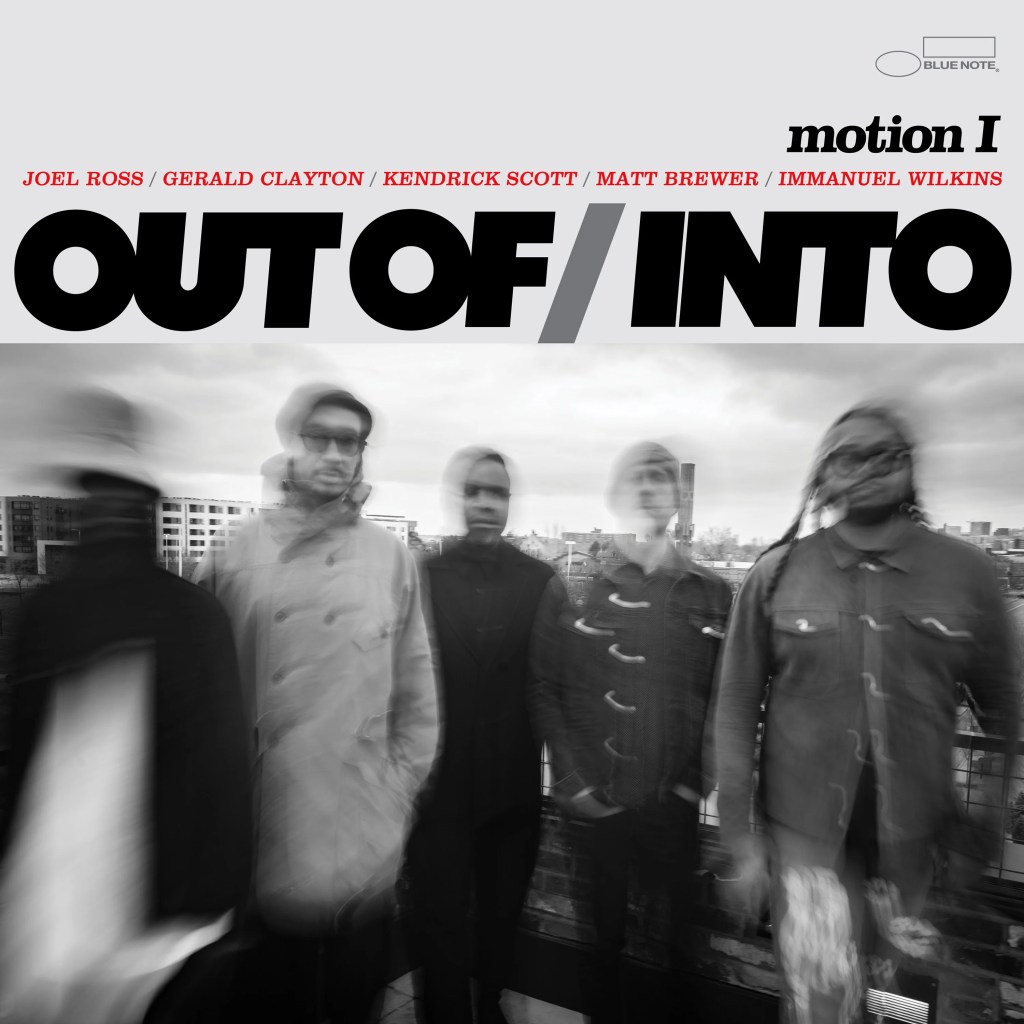
    Motion I by Out Of/Into, a supergroup formed by Gerald Clayton,  Immanuel Wilkins, Joel Ross, Kendrick Scott, and Matt Brewer, is a dynamic and electrifying album that defies expectations. The group, originally known as The Blue Note Quintet, kicks off with “Ofafrii,” a vibrant track that showcases their collective energy and musical prowess. Wilkins and Ross drive the rhythm, while Clayton, Scott, and Brewer add layers of complexity, creating a compelling and adventurous sound. The quintet’s road-tested chemistry shines throughout the album, which blends experimental jazz with moments of pure brilliance.

    Tracks like “Synchrony” and “Radical” capture the raw intensity reminiscent of the classic Coltrane quartet, delivering a thrilling sonic experience. The album also features the standout “Aspiring to Normalcy,” an eleven-minute track that showcases Brewer’s punchy swing and the band’s ability to shift between blues, tension, and resolution. “Second Day” and “Gabaldon’s Glide” continue the album’s rich tapestry, offering a moody yet uplifting atmosphere that harks back to Blue Note’s storied history.

    Motion I is a masterful showcase of individual talent and group cohesion, balancing technical prowess with emotional depth. With each member contributing their unique style, the album captures the essence of Blue Note’s legacy while pushing the boundaries of modern jazz. A remarkable debut, Motion I is an essential listen for fans of innovative and expansive jazz.

    2: Charles Lloyd – The Sky Will Still Be There Tomorrow 

    The Sky Will Still Be There Tomorrow is a deeply moving album by Charles Lloyd, who remains the last standing member of the influential 1950s saxophone generation, alongside figures like John Coltrane and Ornette Coleman. At 86, Lloyd’s voice-like sound and soulful expression shine through in this remarkable new release, featuring pianist Jason Moran, bassist Larry Grenadier, and drummer Brian Blade. The album opens with the entrancing “Defiant, Tender Warrior,” where soft piano and subtle percussion set the stage for Lloyd’s emotive tenor sax. The tribute to Thelonious Monk, “Monk’s Dance,” displays playful, whimsical sax phrasing, while “The Lonely One” and “The Ghost of Lady Day” showcase Lloyd’s refined sax tone and ability to express deep emotion. The album also includes a moving rendition of the spiritual “There is a Balm in Gilead,” recalling his previous work with drummer Billy Higgins. As Lloyd reflects on his legacy, the music here radiates light, joy, and a profound connection to the heart of jazz. The Sky Will Still Be There Tomorrow is a testament to Lloyd’s enduring musical vision and his ability to create with simplicity and grace, even in the later stages of his illustrious career.

    1: Aaron Parks – Little Big III

    Aaron Parks returns to Blue Note with Little Big III, a compelling album that marks his first release for the label since 2008’s Invisible Cinema. The 40-year-old pianist-composer continues his lyrical exploration of contemporary song forms, drawing from Americana-inflected alt-rock rather than traditional jazz influences. The album is atmospheric and melancholic, evoking the work of artists like Keith Jarrett, Brad Mehldau, and Bill Frisell, but Parks creates a distinct, hauntingly original signature sound. The album features a range of styles, from the Americana-tinged “Locked Down,” which would suit a Tom Waits vocal, to the Weather Report-esque “Sports,” with its funky African rhythms and jazz-rock guitar. Tracks like the Steely Dan-influenced “Little Beginnings” and the psychedelic rock of “Willamania” showcase Parks’ versatility, while “Ashé” is a touching, Jarrett-inspired ballad. Little Big III is a stunning return to Blue Note, demonstrating Parks’ impressive ability to blend jazz with alt-rock and Americana influences into a unique and emotionally resonant musical vision. 

    Aaron Parks is undeniably one of the most inventive and virtuosic musicians shaping the landscape of jazz in the 2020s, blending technical mastery with an unparalleled ability to reimagine the genre. His compositions and performances transcend traditional boundaries, showcasing a visionary approach to harmony, melody, and rhythm. Little Big III, provides compelling evidence of his genius, offering a lush and intricate sonic world that balances emotional depth with striking originality, and solidifies Parks as a trailblazer whose artistry continually redefines what modern jazz can achieve.

  • Twa Double Doubles: A Bold Exploration of Tradition and Innovation

    Twa Double Doubles: A Bold Exploration of Tradition and Innovation

    The remote Shetland Islands, far to the north of Scotland and almost as close to Norway as Edinburgh, have long been a place where musical traditions are passed down through generations, steeped in the rich folk music of the Scottish Highlands. But when it comes to jazz, the Shetlands aren’t exactly a hotspot—at least not until saxophonist Norman Willmore arrived to shake things up. A native of Muckle Roe, a particularly remote part of the islands, Willmore has quietly built a distinctive career that fuses his homeland’s folk heritage with the improvisational freedom of jazz. His sound, with its infusion of Nordic folk melodies, traditional Scots rhythms, and the wildness of Shetland’s natural landscape, has turned heads in the jazz world.

    Willmore’s work with his band, including recent live performances and recordings, has established him as one of the most innovative voices on the UK jazz scene. Notable albums like Alive & Well at the Muckle Roe Hall (2019) have captured the unique energy of live performances in remote locations, where the sense of place and atmosphere permeates every note. There, his alto saxophone dances between fiery jazz-jigs, introspective ballads, and folk-inspired themes, all wrapped up in his distinctively Scottish jazz voice.

    What stands out in Willmore’s music is his ability to draw from a wealth of diverse influences while maintaining a sound that is unmistakably his own. He is a master of mixing traditional Shetland folk tunes with modern jazz harmonies, but it’s the integration of jazz’s improvisatory spirit that makes his work stand apart. This fusion—fluid and ever-evolving—has seen him collaborate with a range of exceptional musicians, but perhaps none more intriguing than drummer Corrie Dick. Together, they form Norman&Corrie, a duo project that has taken their collaborative exploration to new heights. Their latest album, Twa Double Doubles, is a striking testament to their creative chemistry and shared vision.

    With Twa Double Doubles, Norman Willmore and Corrie Dick take their musical exploration to a new, audacious level. For this duo project, the pair have dug deep into Willmore’s Shetland roots, unearthing traditional folk tunes that they then deconstruct, reimagine, and make wholly their own. The results are at once fresh and timeless, as the duo breathes new life into Shetland’s rich musical heritage, blending it seamlessly with their own inventive, genre-defying sound.

    In this album, Willmore’s alto saxophone takes on a range of voices—sometimes meditative, sometimes bold and raucous, but always deeply expressive. It’s a sound that defies easy categorization, with moments that evoke the haunting drones of traditional folk music, while other passages explode into vigorous, jazz-infused dance grooves. Willmore’s use of electronic effects and organ pedals, along with his sax, adds unexpected depth to the duo’s sound, filling spaces where one might expect full-band arrangements. Dick, for his part, is a revelation. The inventive percussionist weaves complex rhythms, intricate textures, and thunderous grooves into a rich and ever-evolving sonic landscape, with the addition of drum triggers and unusual percussive elements giving the music an exciting, unpredictable quality.

    The track Haltadans, inspired by a fragment of a dance supposedly transcribed from a troll band before being turned to stone on the Shetland island of Fetlar, sets the tone for the album’s otherworldly atmosphere. The music is eerily hypnotic, with Willmore’s saxophone invoking the sense of something ancient and magical, while Dick’s drumming carries the dance-like energy of the folk tune. The way the duo balances whimsy and mystery in this piece is indicative of the broader sound of Twa Double Doubles—a collection of tracks that veer from meditative, spiritual-blues moments to explosive, jubilant folk-jazz fusions.

    On tracks like John O’ Voe / Da Oyster, the duo showcases their ability to blend the introspective with the upbeat. The tune begins with a beautifully sad melody, Willmore’s saxophone languishing in the melancholy of the piece, before growing into something more urgent and joyful, with soaring sax and dynamic drumming propelling the tune forward. The transition from sorrow to joy here feels both natural and powerful, capturing the essence of Shetland folk, while embracing the improvisational freedom of jazz.

    But it’s not just the tunes themselves that shine; it’s the incredible interplay between Willmore and Dick that truly makes this album special. Willmore’s saxophone is a force of nature, shifting from delicate, introspective passages to fiery, guttural screams with ease. Dick’s drumming, on the other hand, provides both the foundation and the spark—whether supporting the sax with textural layers or driving the music forward with complex, rhythmic patterns. The two musicians complement each other perfectly, each pushing the other to new heights, and their chemistry is palpable throughout the album.

    In sum, Twa Double Doubles is a triumph of innovation and tradition, a record that celebrates the beauty and mystery of Shetland’s folk music while pushing its boundaries into bold, new territory. Willmore’s saxophone and Dick’s percussion come together to create a sound that is rich, layered, and endlessly engaging, proving once again that the far reaches of the British Isles can produce music that is as adventurous and vital as anything being made elsewhere in the jazz world. If this is the future of jazz in Shetland, then we should all take note.