10: Tord Gustavsen Trio – Seeing
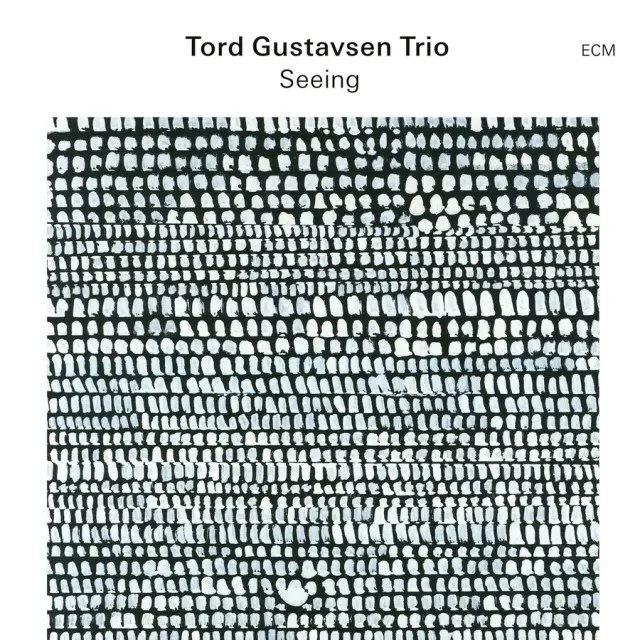
Seeing is a serene and soul-stirring album by pianist Tord Gustavsen, marking his tenth release for ECM. Joined by longtime collaborator drummer Jarle Vespestad and bassist Steinar Raknes, the trio creates an atmosphere of deep stillness and introspection. The album opens with the blue gospel-inspired “Jesus, Make Me Still,” setting the tone for its meditative qualities. Tracks like “Seattle Song” encapsulate the journey of life, blending folk, gospel, and classical elements with a profound sense of peace. Gustavsen’s arrangements of traditional hymns, such as “The Old Church” and “Nearer My God, To Thee,” alongside his original compositions, convey a soulful, grounded simplicity. The trio avoids flashy solos or virtuosic display, instead focusing on creating emotional depth through restraint. The album’s blend of Norwegian and American folk influences, along with Bach’s introspective works, forms a timeless, unified whole. At just forty-four minutes, Seeing is an album that invites listeners into a quiet, reflective space, making it one of Gustavsen’s most compelling and transcendent works to date. In this challenging time, the album’s calm presence offers a welcome retreat, with its understated beauty and emotional resonance leaving a lasting impression.
9: Joe Robson – Home
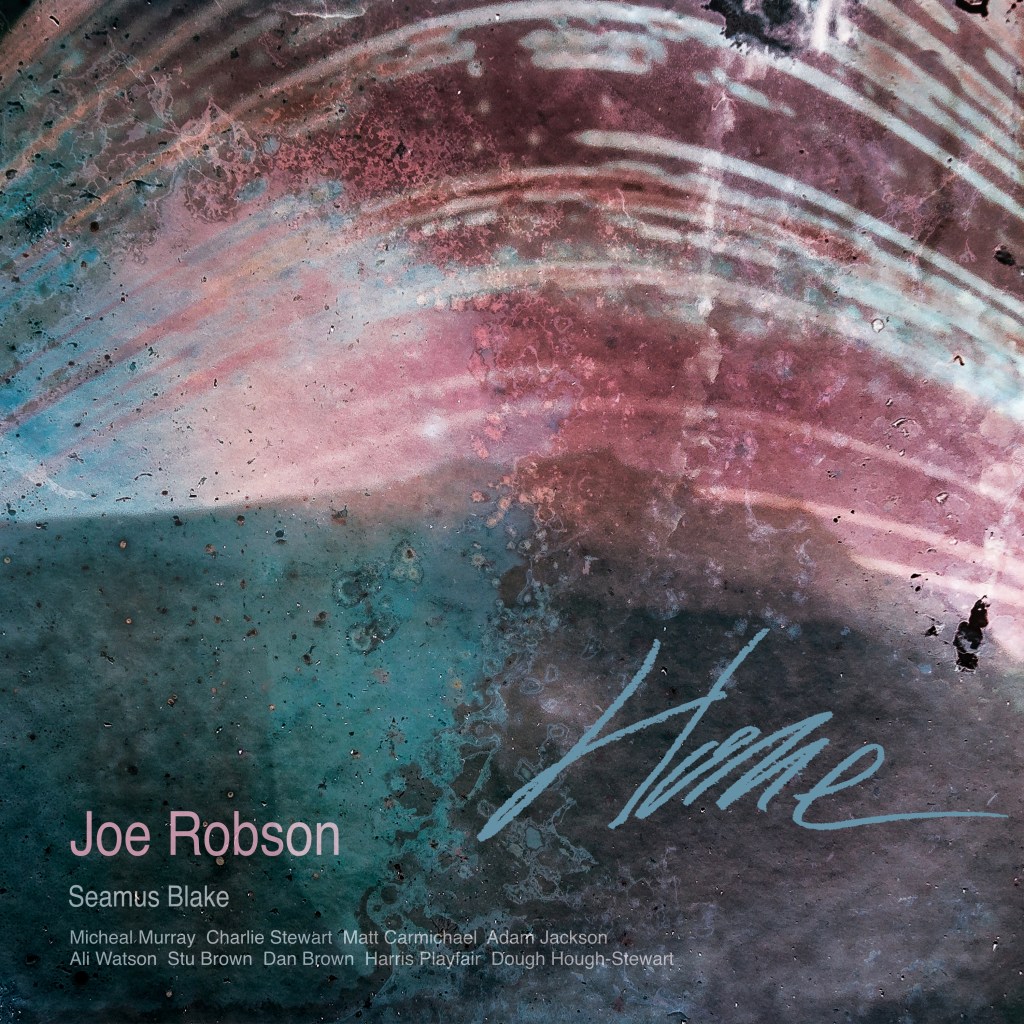
Joe Robson’s debut album Home is a stunning release that introduces the Scottish guitarist as a distinctive voice in contemporary jazz. Blending jazz, Celtic traditions, and Nordic post-rock influences, Robson delivers a deeply personal and evocative meditation on themes of belonging and memory. The album features contributions from saxophonist Seamus Blake, whose soulful solos, particularly on “Emergence,” bring emotional depth to the record, though the core band’s chemistry and sound remain the album’s standout.
Robson’s compositions are marked by their clarity, emotional resonance, and seamless transitions between structured arrangements and free improvisation. The album never overstays its welcome, with concise solos and organic, spontaneous exchanges between musicians. Highlights include Robson’s breathtaking guitar work on “Becoming,” which recalls the fluidity of Pat Metheny and Brad Mehldau, and Matt Carmichael’s commanding, Celtic-tinged saxophone solos on tracks like “Searching for Home.”
The band, which also includes saxophonist Adam Jackson and fiddler Charlie Stewart, crafts a distinctive timbral blend, often weaving intricate melodies and harmonies with earthy, organic sounds. Tracks like “Venchen” and “Searching for Home” take unexpected turns, adding an element of surprise that keeps the listener engaged.
Home firmly establishes Robson as a rising star in contemporary jazz, a record that honours his roots while pushing musical boundaries. It is a profound, poetic work that lingers long after it ends, making it a standout of the year.
8: Mary Halvorson – Cloudward

Mary Halvorson’s Cloudward is a stunning album that showcases her mastery in blending composed music with improvisation. The New York-based guitarist, known for her adventurous work in both solo and collaborative settings, delivers a powerful eight-piece set, reflecting a sense of liberation as the pandemic’s grip waned. Halvorson’s sextet features trumpet, trombone, vibraphone, bass, drums, and Laurie Anderson on effects-violin for one track, creating a rich, multilayered sound.
The album is filled with delightful surprises, from the slowly building brass and vibes fanfare of “The Gate” to the intricate brass harmonies of “Collapsing Mouth” and “Unscrolling,” where the interplay between trumpet and trombone is masterful. Halvorson’s guitar work stands out, whether in the distorted, avant-garde funk of “Desiderata” or the ambient violin textures crafted by Anderson on “Incarnadine.” Tracks like “Tailhead” introduce Latin jazz-like rhythms, further highlighting the sextet’s diverse influences. The album’s seamless fusion of written and improvised elements creates an entrancing, seductive warmth that marks a new peak in Halvorson’s already remarkable career. Cloudward is a mesmerizing testament to her vision, showcasing a rare ability to balance structure with spontaneity in jazz.
7: Kit Downes – Reflex; Dr. Snap

Reflex; Dr. Snap is a dynamic live album by Kit Downes, recorded at the Bimhuis in Amsterdam on November 3, 2022, as part of the “Reflex” series. This ambitious project features Downes leading a ten-piece international ensemble, including three drummers, creating a vibrant, experimental soundscape that blends jazz with avant-garde and rock influences. The group, which Downes calls his “family band,” includes familiar collaborators like bassist Petter Eldh and guitarist Reinier Baas, and is complemented by live visuals from Juliane Schutz, adding a sensory depth to the performance.
The album begins with Eldh’s intricate composition “Children with Pitchforks,” where the three drummers create rhythmic complexity, accompanied by quirky horn arrangements. Other tracks like “Full Dress” and “Mirror” showcase inventive horn and rhythm sections, with Downes’ piano at the center, and feature exceptional solos from members such as guitarist Baas and saxophonist van Gelder. As the suite progresses, the music shifts from structured compositions to freer, more improvisational moments, including the evocative “Pantheon 4” and the intense “Dimitrios In 64.”
A blend of energy, texture, and dynamic contrasts, Dr. Snap is a thrilling, expansive work that keeps evolving throughout its length. The album’s vibrant and complex music highlights Downes’ distinctive compositional voice and the ensemble’s remarkable interplay. With its multifaceted textures and rhythms, this release is a bold statement in contemporary jazz and avant-garde music.
6: Jake Blount and Mali Obomsawin – Symbiont
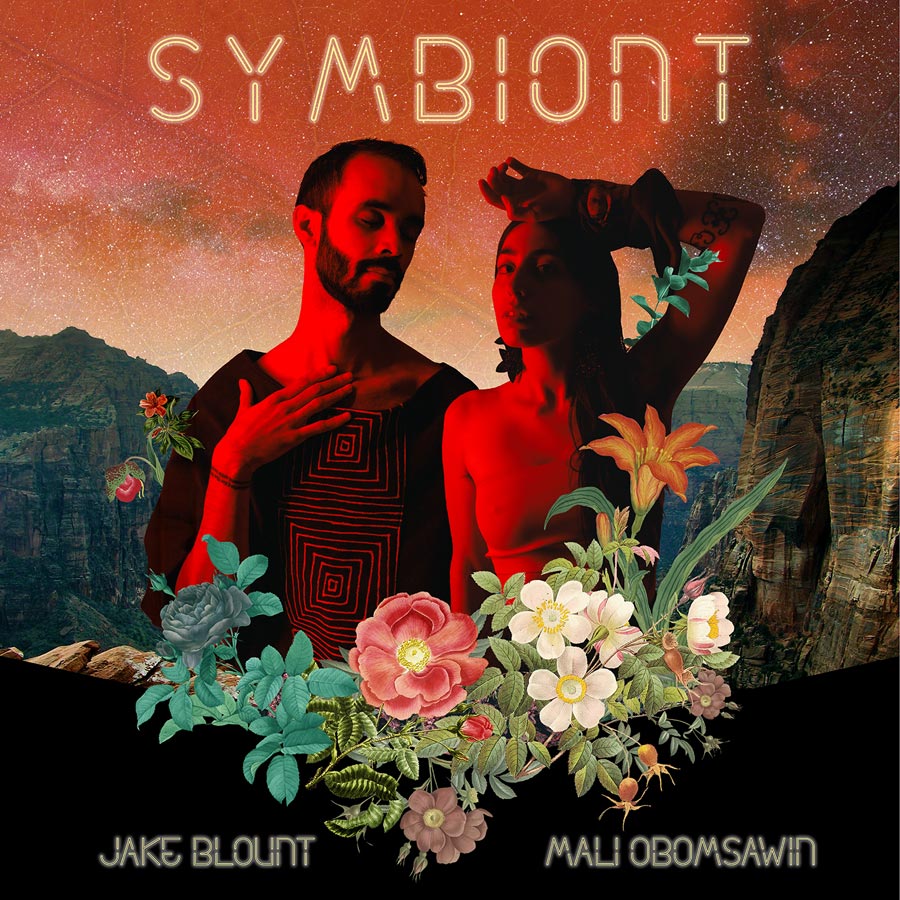
Symbiont, the collaborative album by Jake Blount and Mali Obomsawin, is a powerful exploration of Black and Indigenous music, blending historical references with modern electronic production. The album, which bridges the personal and the political, combines synthesizers, percussion, and vocals to craft a vision of resistance, community, and continuity. Blount and Obomsawin co-created the album by drawing from archival texts, including Slave Songs of the United States and works by Indigenous author Thomas Commuck. The music spans genres and traditions, blending hymns, spoken word, and innovative electroacoustic sounds. It questions the silences of official archives and reclaims marginalized voices erased by colonial violence.
Songs like “Mother” and “Stars Begin to Fall” blend traditional hymns with glitchy synths, interrupted feedback, and reimagined structures, creating an ongoing dialogue between past and future. The album reflects a nuanced take on the history of colonization, acknowledging both its pain and the strength of communities that have persevered. The involvement of musicians like jazz performer Taylor Ho Bynum adds further depth to the work, blending the sounds of percussion and gourd banjo with vibrant harmonies.
Symbiont is not just an album, but a radical act of preservation and transformation, using the past as a tool for collective action and a hopeful vision for the future. It’s an essential, genre-defying work that speaks to the political and spiritual dimensions of music-making.
5: Colin Stetson – The Love It Took to Leave You

The Love It Took to Leave You by Canadian saxophonist Colin Stetson is a bold, experimental album that delves deep into his unique minimalist style. Known for his continuous breathing techniques and innovative microphone placements, Stetson creates intricate, hypnotic compositions that blend the sounds of his saxophone with the mechanics of the instrument itself. The album is largely a solo project, with Stetson crafting expansive, atmospheric pieces that range from intense, rhythmic sequences to ethereal, mournful tones, capturing the essence of separation and loss.
Opening with the track “The Love It Took to Leave You,” Stetson sets the tone with repetitive arpeggios and slow, soaring melodies. The album reaches a high point with the 21-minute “Strike Your Forge and Grin,” a stunning sonic journey that combines drone metal elements with complex rhythmic patterns and howling lead melodies. This track is considered by many as his greatest achievement in terms of pacing, structure, and sound.
Known for his work on film scores like Hereditary and The Menu, Stetson has also built a distinguished solo career, pushing the boundaries of what a single instrument can achieve. This album furthers his reputation as one of the most exciting talents in contemporary music today.
4: Miguel Zenón – Golden City
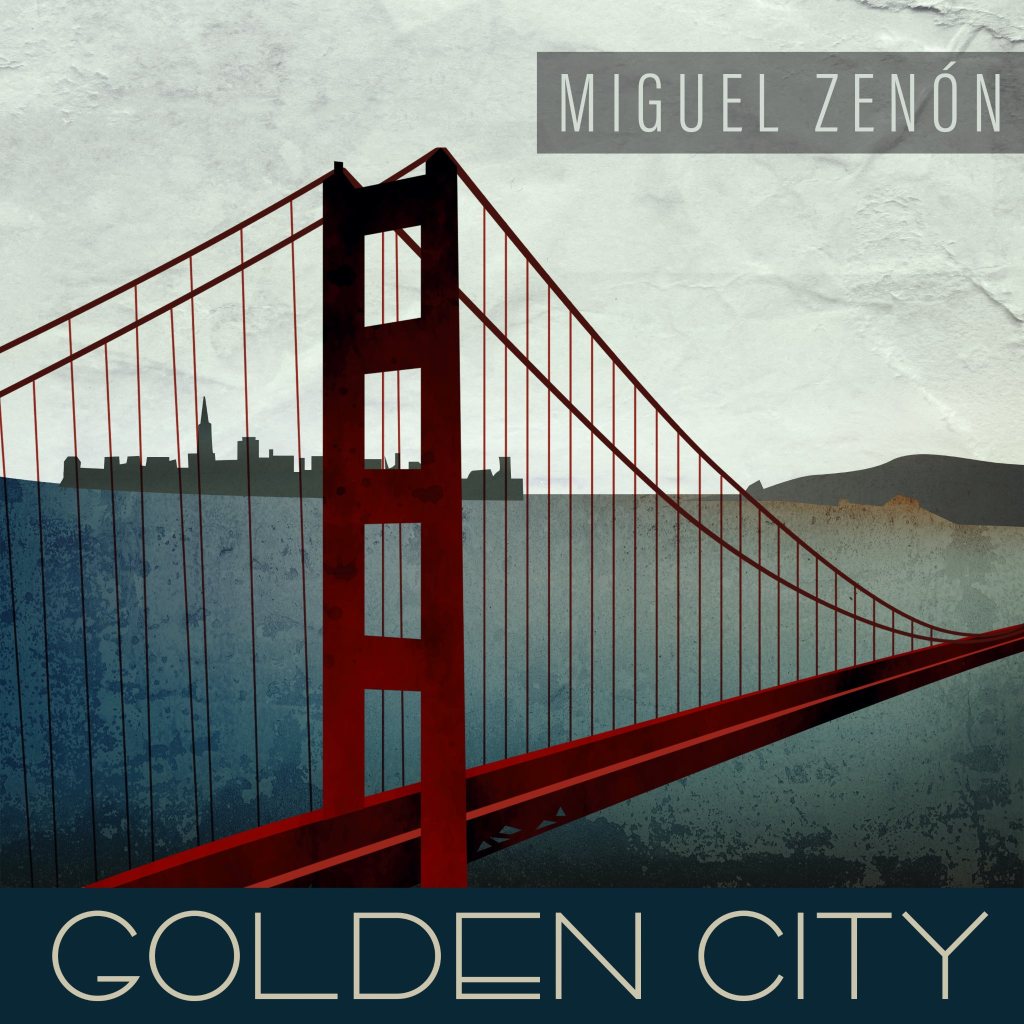
Golden City is a powerful suite by Miguel Zenón that explores the history of San Francisco, focusing on the experiences and contributions of its diverse ethnic communities, including Japanese, Chinese, Mexican, and African-American. Premiered in 2022 at the SFJAZZ Center, the work is now available in its recorded form with nearly the same trombone-centric nonet ensemble. Collaborating with pianist Matt Mitchell, bassist Chris Tordini, and drummer Dan Weiss, Zenón’s music highlights the resilience and beauty of the city’s soul amidst its often painful history.
Tracks like “Sacred Land” mourn the Ohlone people’s tragic history, while “Rush” evokes the chaos of the Gold Rush era. “Acts of Exclusion” powerfully addresses the Chinese Exclusion Act, with Zenón’s saxophone leading a blend of anguish and defiance, highlighted by Miles Okazaki’s brilliant guitar solo. The album also includes the graceful “Sanctuary City,” inspired by Wayne Shorter’s “Sanctuary.” The nonet’s stellar horn section—featuring Alan Ferber, Diego Urcola, and Jacob Garchik—adds depth to Zenón’s intricate compositions, reflecting his early Latin influences. Golden City is a stunning exploration of San Francisco’s cultural and historical tapestry, blending jazz, Latin, and contemporary sounds into a poignant, evocative narrative.
3: Out Of/Into – Motion I
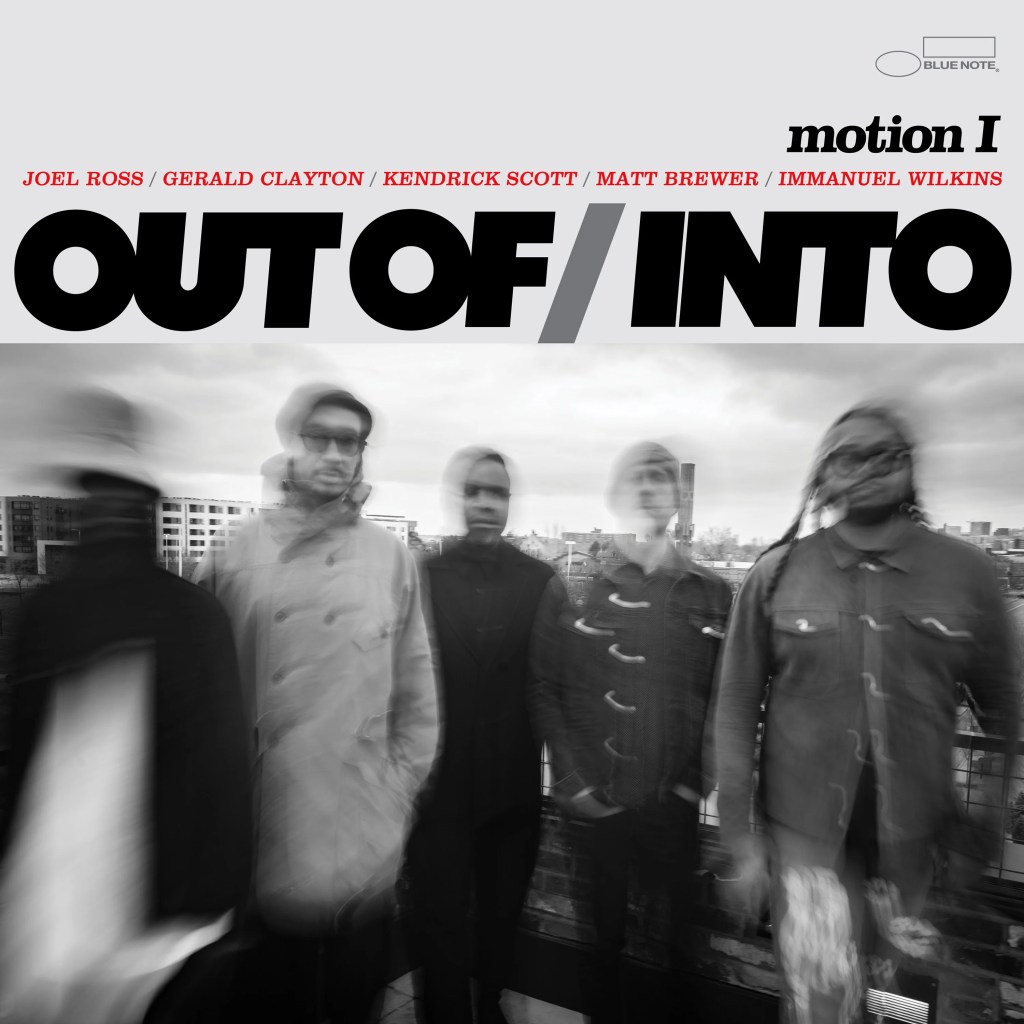
Motion I by Out Of/Into, a supergroup formed by Gerald Clayton, Immanuel Wilkins, Joel Ross, Kendrick Scott, and Matt Brewer, is a dynamic and electrifying album that defies expectations. The group, originally known as The Blue Note Quintet, kicks off with “Ofafrii,” a vibrant track that showcases their collective energy and musical prowess. Wilkins and Ross drive the rhythm, while Clayton, Scott, and Brewer add layers of complexity, creating a compelling and adventurous sound. The quintet’s road-tested chemistry shines throughout the album, which blends experimental jazz with moments of pure brilliance.
Tracks like “Synchrony” and “Radical” capture the raw intensity reminiscent of the classic Coltrane quartet, delivering a thrilling sonic experience. The album also features the standout “Aspiring to Normalcy,” an eleven-minute track that showcases Brewer’s punchy swing and the band’s ability to shift between blues, tension, and resolution. “Second Day” and “Gabaldon’s Glide” continue the album’s rich tapestry, offering a moody yet uplifting atmosphere that harks back to Blue Note’s storied history.
Motion I is a masterful showcase of individual talent and group cohesion, balancing technical prowess with emotional depth. With each member contributing their unique style, the album captures the essence of Blue Note’s legacy while pushing the boundaries of modern jazz. A remarkable debut, Motion I is an essential listen for fans of innovative and expansive jazz.
2: Charles Lloyd – The Sky Will Still Be There Tomorrow

The Sky Will Still Be There Tomorrow is a deeply moving album by Charles Lloyd, who remains the last standing member of the influential 1950s saxophone generation, alongside figures like John Coltrane and Ornette Coleman. At 86, Lloyd’s voice-like sound and soulful expression shine through in this remarkable new release, featuring pianist Jason Moran, bassist Larry Grenadier, and drummer Brian Blade. The album opens with the entrancing “Defiant, Tender Warrior,” where soft piano and subtle percussion set the stage for Lloyd’s emotive tenor sax. The tribute to Thelonious Monk, “Monk’s Dance,” displays playful, whimsical sax phrasing, while “The Lonely One” and “The Ghost of Lady Day” showcase Lloyd’s refined sax tone and ability to express deep emotion. The album also includes a moving rendition of the spiritual “There is a Balm in Gilead,” recalling his previous work with drummer Billy Higgins. As Lloyd reflects on his legacy, the music here radiates light, joy, and a profound connection to the heart of jazz. The Sky Will Still Be There Tomorrow is a testament to Lloyd’s enduring musical vision and his ability to create with simplicity and grace, even in the later stages of his illustrious career.
1: Aaron Parks – Little Big III

Aaron Parks returns to Blue Note with Little Big III, a compelling album that marks his first release for the label since 2008’s Invisible Cinema. The 40-year-old pianist-composer continues his lyrical exploration of contemporary song forms, drawing from Americana-inflected alt-rock rather than traditional jazz influences. The album is atmospheric and melancholic, evoking the work of artists like Keith Jarrett, Brad Mehldau, and Bill Frisell, but Parks creates a distinct, hauntingly original signature sound. The album features a range of styles, from the Americana-tinged “Locked Down,” which would suit a Tom Waits vocal, to the Weather Report-esque “Sports,” with its funky African rhythms and jazz-rock guitar. Tracks like the Steely Dan-influenced “Little Beginnings” and the psychedelic rock of “Willamania” showcase Parks’ versatility, while “Ashé” is a touching, Jarrett-inspired ballad. Little Big III is a stunning return to Blue Note, demonstrating Parks’ impressive ability to blend jazz with alt-rock and Americana influences into a unique and emotionally resonant musical vision.
Aaron Parks is undeniably one of the most inventive and virtuosic musicians shaping the landscape of jazz in the 2020s, blending technical mastery with an unparalleled ability to reimagine the genre. His compositions and performances transcend traditional boundaries, showcasing a visionary approach to harmony, melody, and rhythm. Little Big III, provides compelling evidence of his genius, offering a lush and intricate sonic world that balances emotional depth with striking originality, and solidifies Parks as a trailblazer whose artistry continually redefines what modern jazz can achieve.
 Max Millar Music